
Innerbarends
Can I do them better than the industry?
:: WORK IN PROGRESS ::
Last Update Oct 18, 2026
Can I do them better than the industry?
:: WORK IN PROGRESS ::
Last Update Oct 18, 2026
What are innerbarends?
Full disclosure first: I have barends on two of my three bikes with a flat handlebar. Yes, I know that is out of place in the 21st century - or maybe not? Mine are self-designed, 3D printed and lovely to grip. I tend to use this hand position the most.
With handlebars getting wider and wider, the position on barends gets a little weird. Plus, they have come severely out of fashion many years ago. Innerbarends are mounted between the brake lever and the grip, and they provide the long missed alternative hand position on a flat handlebar. Of course, they should be called differently, as they do not sit at the end of the handlebar.
Anyway, I bought a pair from SQLab and tried. I really wanted to like them, but no. The outer ball of my hand rests on the grip, and the innerbarend squeezes between thumb and index finger. The contact areas are small and create awkward pressure, at least for me. Things get worse while out of the saddle, with strong push/pull forces on the hands. Gloves help somehow, but I felt tempted to look for my own design.
I have a well established aerobar design, and the shape of its grips at the front end feels great. Could this be the template for the shape of the innerbarends? I tried this little mockup:


I played a while with the position of the grip relative to the aerobar, horizontally, vertically and angular. It was harder than thought to translate this into the 3D CAD design and add in the clamp function.


The first design went to be printed by my dear friends at EOS.
The parts arrived in lovely quality as usual. I tried them the next day after cutting the thread for the clamping bolt and painting them black.


I spent a half day out on bumpy, hilly roads and some gravel sections on my allroad bike. Mixed result for this first version: I was on my innerbarends far more than on the SQLabs. The body position worked well for riding flat and also uphill, as long as things did not get too slow and technical. Especially pulling at the barends while pedaling harder felt much better. Conversely, the weight on the hands was not supported in a very comfortable way. Even with (thin) gloves I noted a pressure point right in the middle of the palms. Discomfort on par with SQab, only in a different way.
Well, this is quite typical for designing an ergonomic part. It is great to have 3D CAD design and rendering on the screen, in this case I even had the physical template to start from. Often the real world test leads to mild disappointment that transforms quickly into the creation of the next version.
Analysis first - what is good, and what needs to change?


Obviously, I had removed parts of the area that supported my palm so nicely when I tried with the aerobar. Instead of the almost cradled feel under my hand I found a disturbing pressure area.
Furthermore, the barend came out rotated outward compared to the template, which might also contribute to this result.
On the plus side, I found the pocket for the pinky finger on the underside very valuable. When pulling, the fingers find purchase on the flat section down/inside, and there is almost no pinching between the barend and the brake lever body (Magura MT, in this case. Results may vary for other brake levers).
I went for two modifications:
1. Correct the rotation (you can see it in both comparison pictures)
2. Remove the ridge by restoring more of the original shape.
At the same time, check that the finger pocket remains. And as always - do not overdo! It is quite easy to fall into a modification frenzy and make good things worse.
A side by side view of new versus old as shown above is super helpful during the redesign.
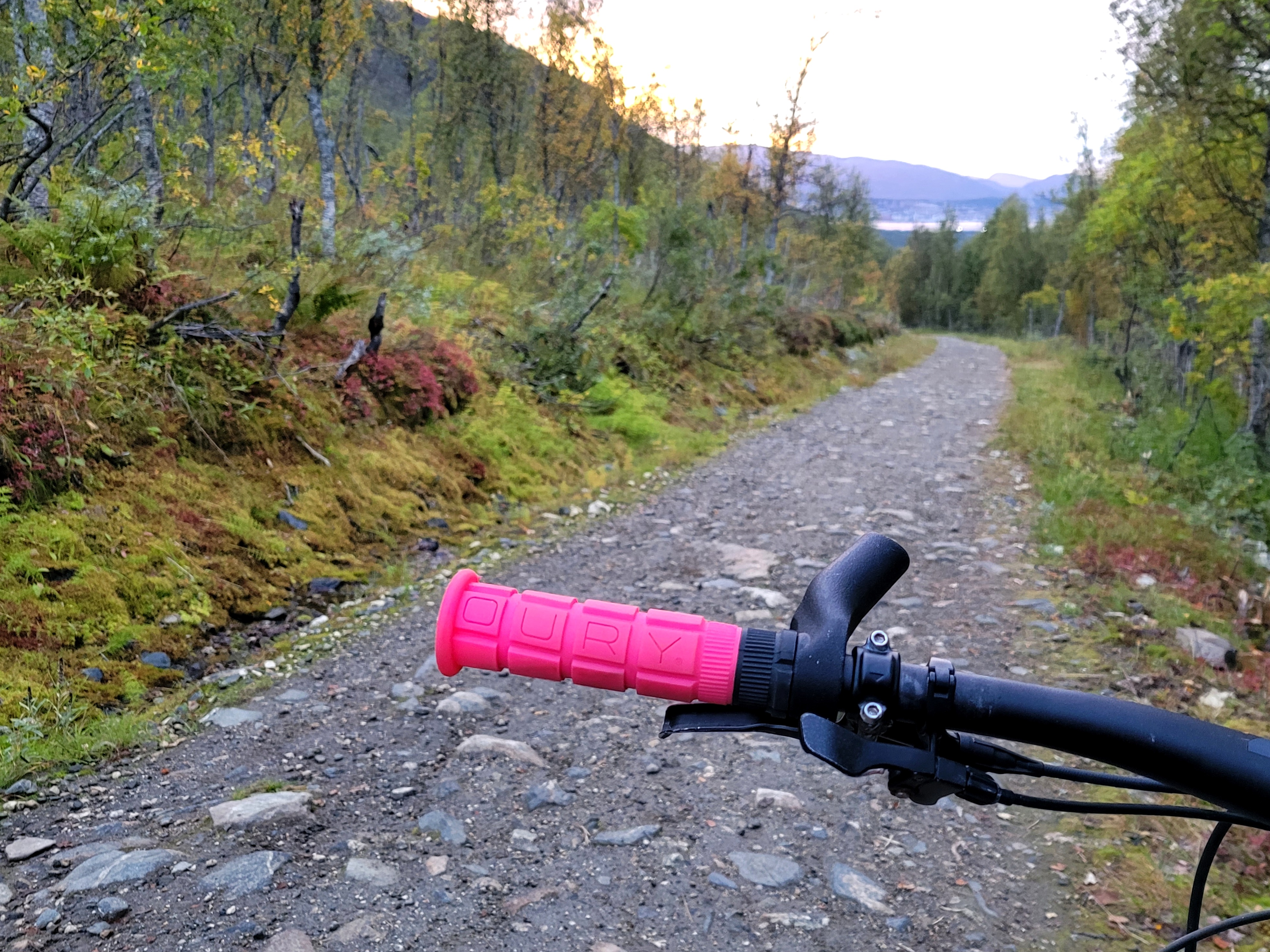
Truth to be told, initially I was disappointed. Side by side testing on the allroad bike did not show a big improvement in the pressure distribution on my palm. The pressure area had moved from the outside to the inside of the grip.
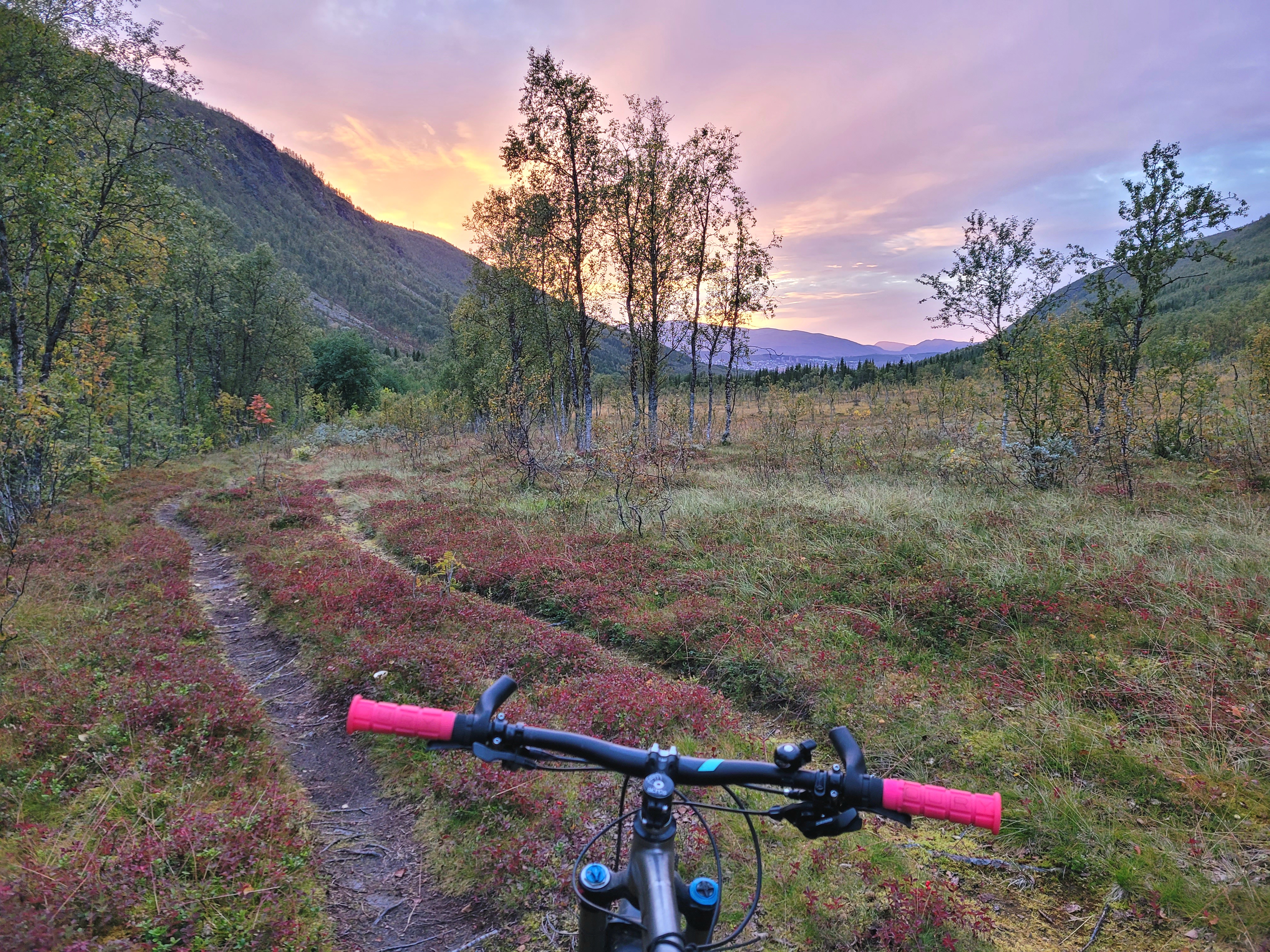
Anyway, I equipped the mountain bike with this version and found myself using them a lot. I reached for them on gravel climbs and on paved road, because the altered hand / arm / body position felt much more natural. My hands were fine, and I seemed to release wrists, shoulders and even lower back. Power transfer seemed to be more efficient, and wind drag a good bit lower.
Braking was possible with a tiny movement of the hand to the outside, partly thanks to the compact levers and light action of the Formula Cura brakes on the bike.
But why did they feel so much worse on the allroad bike? Was it the different bike geometry?
I measured the actual position of the barends, and there were significant differences. No surprise as the use cases of the two bikes are so different.
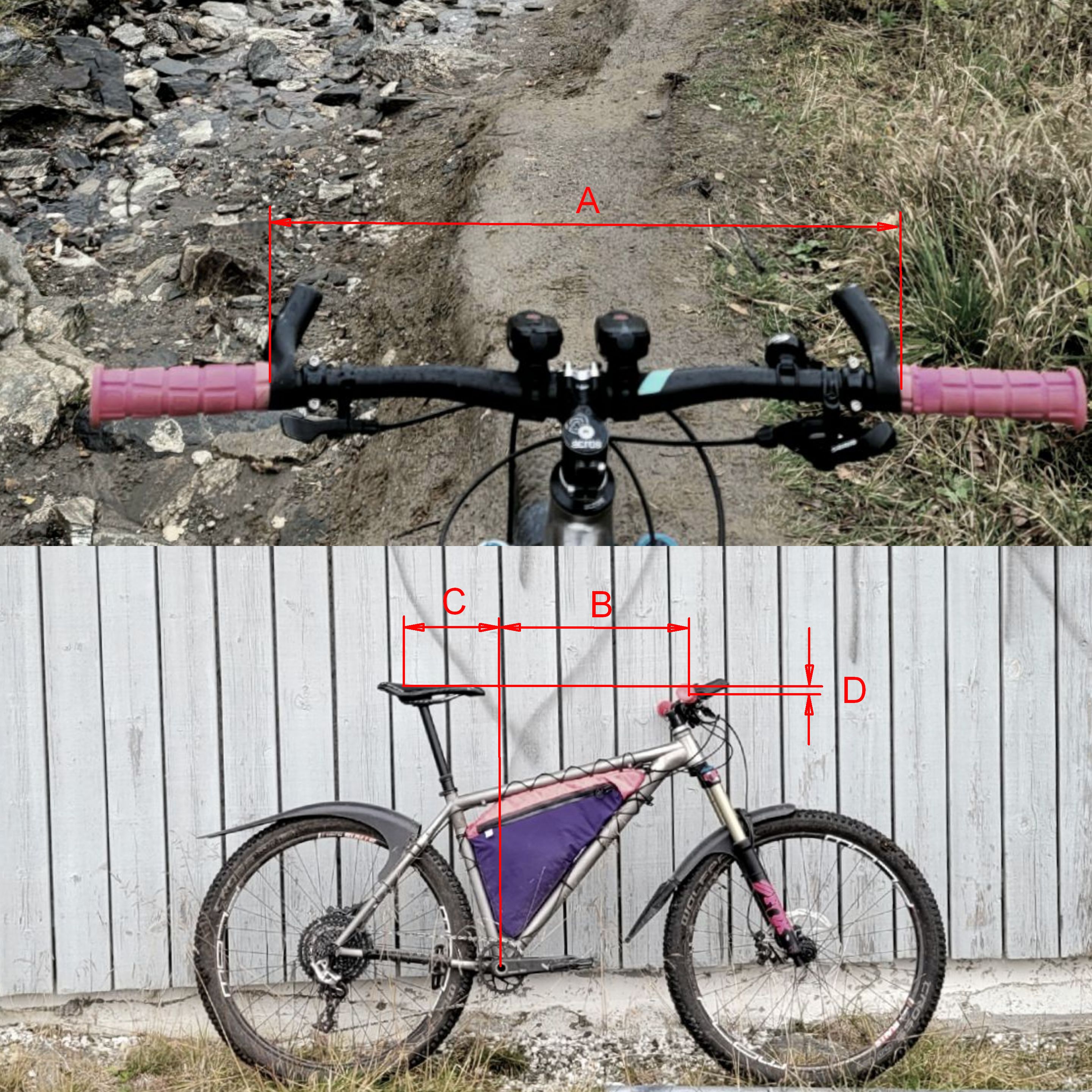
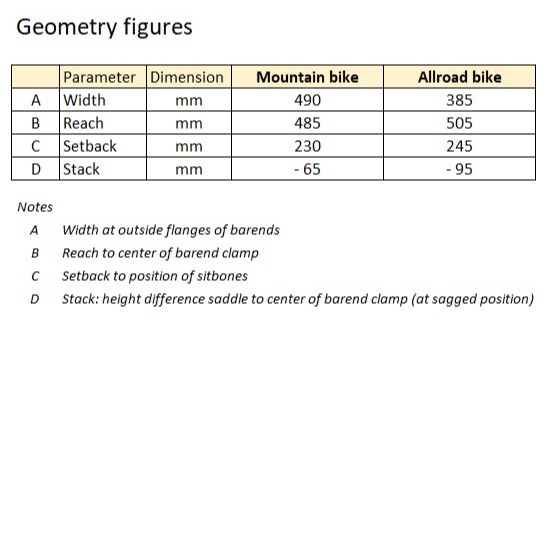
Look at the width - and compare to the width of a drop bar at the hoods, which is a similar setup. 490mm is comfortably wide in case of the MTB, while 385mm is really narrow for the allroad bike. This might lead to clamp the grips harder for good bike control.
Reach on the allroad bike is 20mm longer and the barends are placed 30mm lower. Both create more pressure on the hands, thus more discomfort.
I also noted that my wrist sags down and inward under load, which then creates pressure on the ridge that Version 2 has on the inner edge. That might explain why the same shape works so well on the aerobar - there is almost no pressure on the hand.
Better than the industry? Let us leave the question mark here.
One of the most interesting results is the learning above: Bike setup matters so much!
As of now, I love having Version 2 on the mountain bike, it is a highly welcomed addition for more riding comfort without real downsides.
Of course, I feel tempted to go for further improvement, as I am still far from the comfort level of my classic (outside) barends. Something is in the 3D CAD already - time will tell.
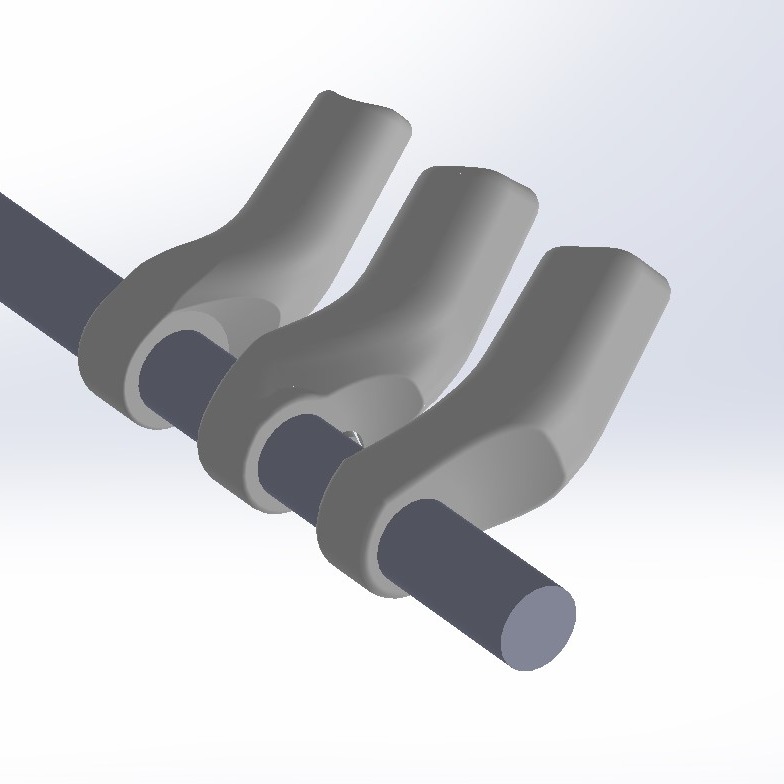
It might go on...

Free AI Website Builder