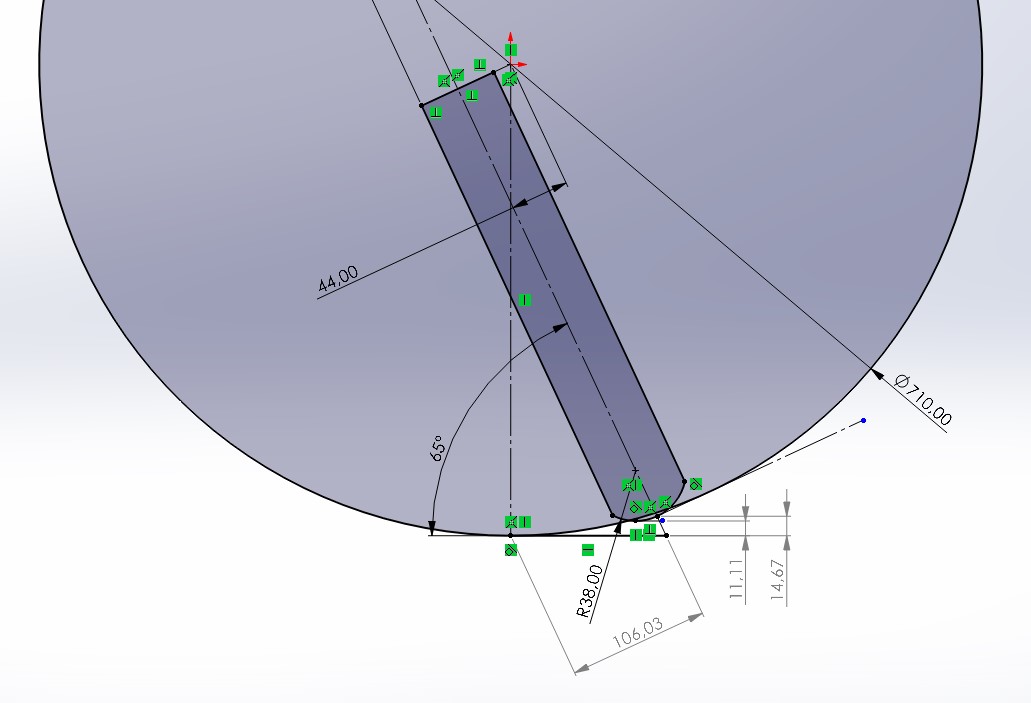
Why does it matter?
How good a bike rides is largely driven by its steering characteristics, by the feeling you have while riding a straight line or around bends.
So, what is wheel flop then?
I came across this term on Peter Verdone’s website where you can find profound information about frame building and bike design. I understand wheel flop as a geometric dimension that influences the steering characteristics of a bike. When you turn the handlebar, the front of the bike will lower. I use the distance in mm when the steering is turned by 90°.
In fact, several factors affect steering characteristics, these are the most important in my experience:
1. Front wheel trail: stabilizing factor, as centrifugal forces in bends tend to straighten the steering angle. Thus, the effect is heavily dependent on velocity (proportional to v²). It also straightens the steering angle under braking forces. Note that I use the distance perpendicular to the steering axis, as this is the relevant value for torque feedback into the steering.
2. Gyroscopic forces on front wheel: create torque counteracting any tilt movement perpendicular to rotation axis, e.g. steering input or leaning of bike. The effect is also proportional to v², and proportional to the moment of inertia of the front wheel. Bigger, heavier front wheels generate higher forces. Almost no stabilizing effect at low speeds.
3. Load on front wheel: high load increases steering effort and can feel sluggish.
4. Tire friction: impedes turning the handlebar at very slow speeds. More importantly, it creates a torque to follow the tire’s “natural” curved track, depending on contact area and tilt angle of the tire. This is heavily dependent on tire pressure, width and shape of cross section, carcass and tread design.
5. Wheel flop: creates torque that increases steering input. The torque is minimal at small steering angles, but increases with the angle getting bigger. It can feel destabilizing when riding at low speeds where you have to steer to keep your balance or to get around obstacles. Proportional to load on front wheel, independent from speed.
When we look at riding at low speeds, for instance climbing a steep hill or navigating a narrow trail, the factors 1 and 2 are minimal. Both are stabilizing, keeping us riding straight. Factors 3 to 5 are not stabilizing, and the destabilizing effect of wheel flop becomes more noticeable as steering angles can be quite big.
Geometry
Wheel diameter, head tube angle and fork rake determine the amount of wheel flop. A bit less obvious, the cross section of the tire is also important. A wide tire with a big curvature radius lowers the actual wheel flop.
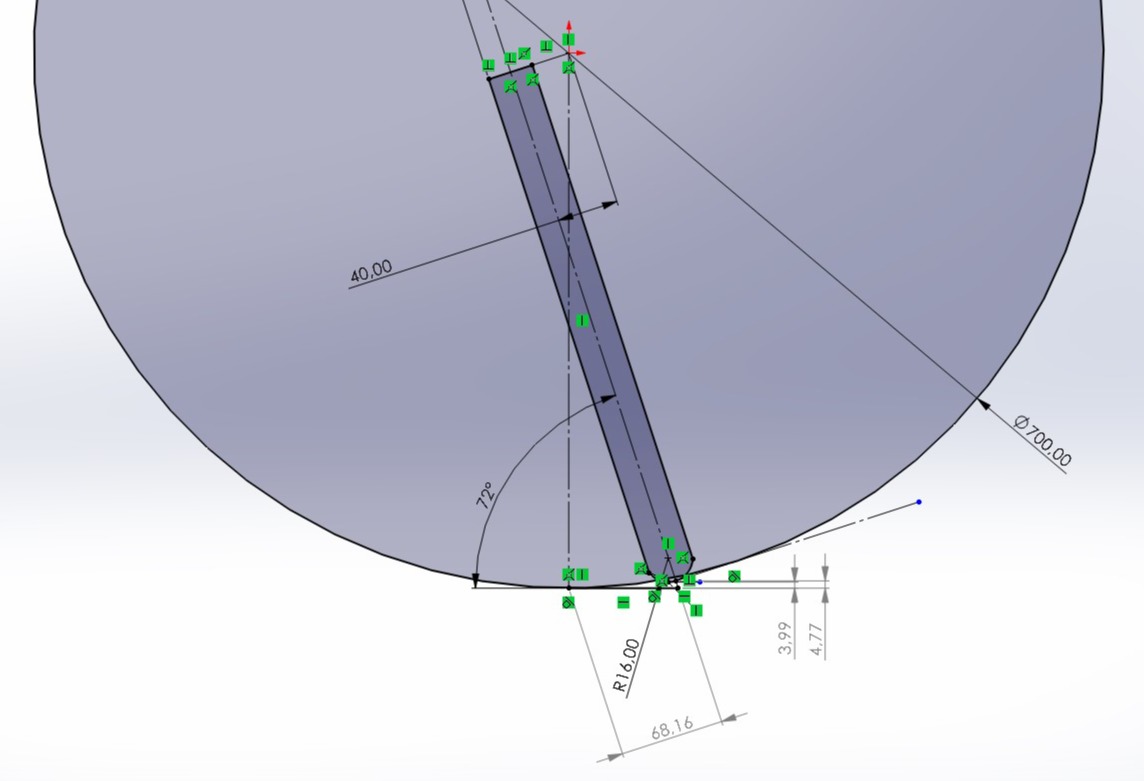
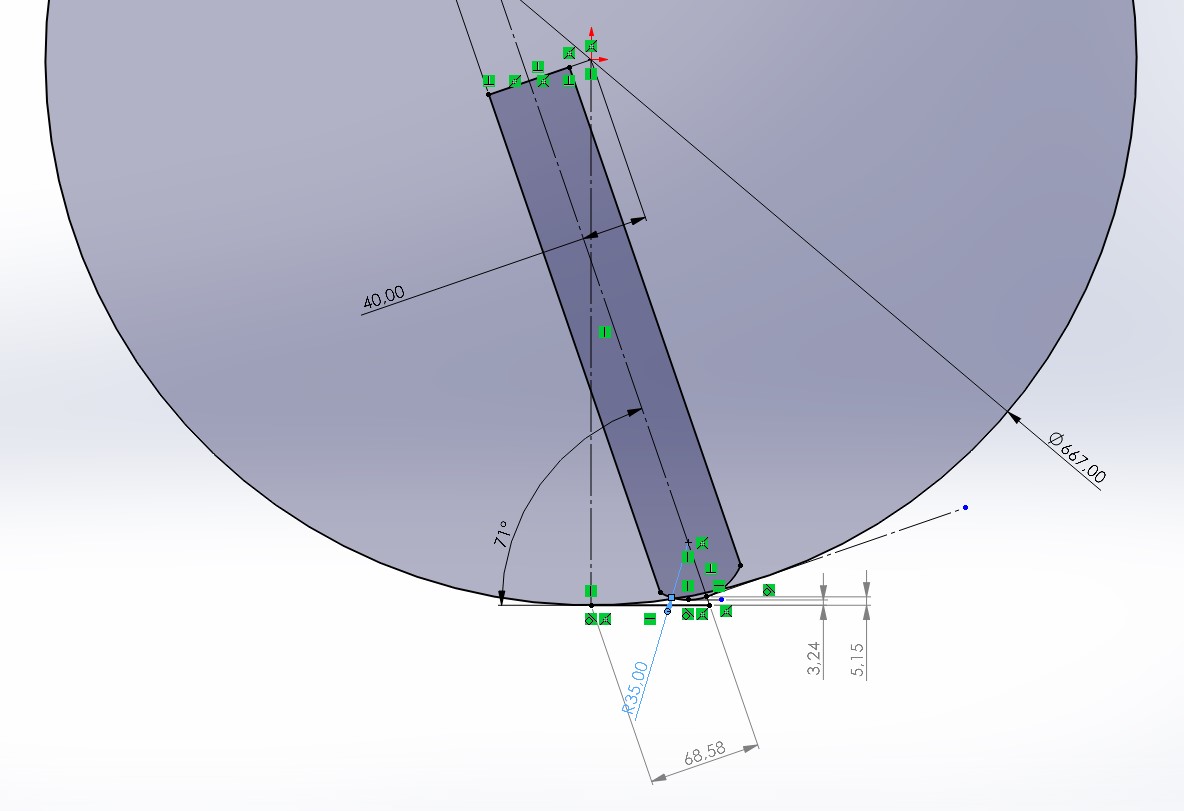
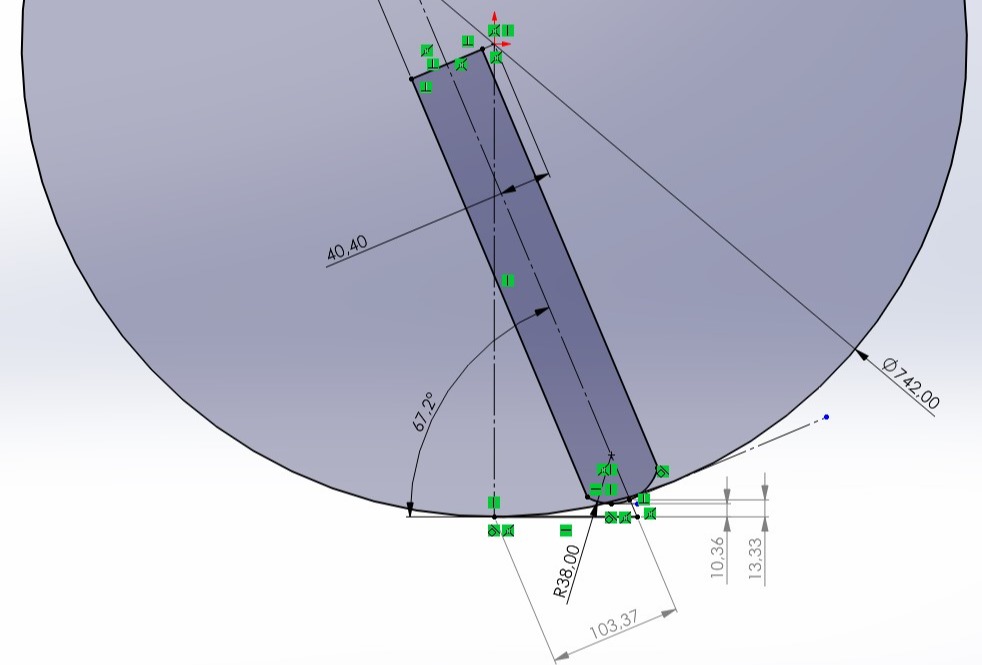
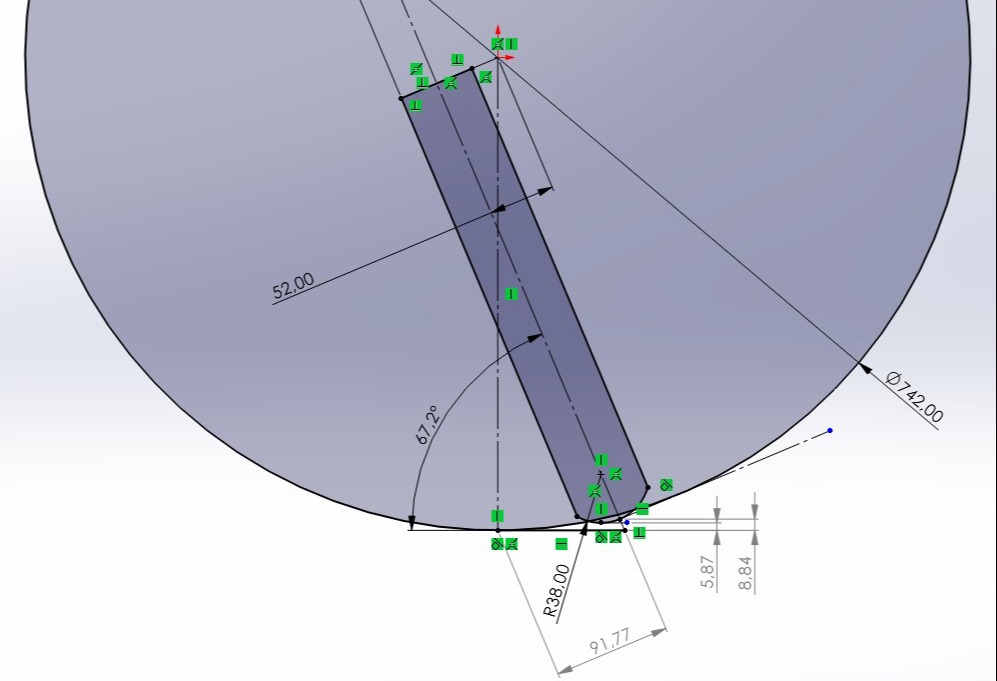
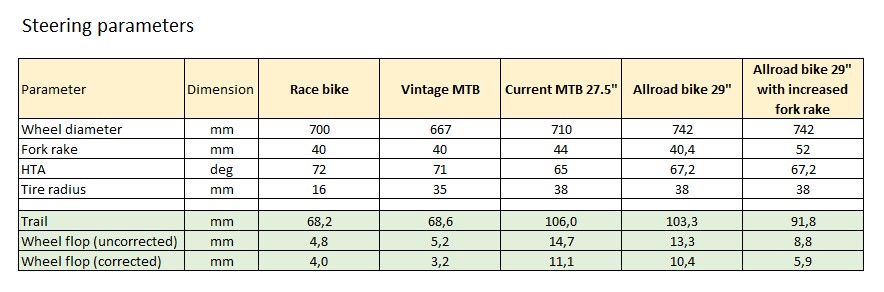
The easiest way to determine the actual amount is a graphic solution, e.g. in a 2D CAD drawing. I also went through a numeric solution, which involves a bit more trigonometry than you might expect at a first glance. The results for five different bike setups are shown below.
First Results and discussion
The race bike and the vintage MTB show striking similarities. This is not completely surprising, as fork rake and head tube angle are close. Both have very low amounts of actual wheel flop (corrected for tire curvature radius). Uncorrected, both are in the 5mm range. The MTB goes down corrected to just 3,2mm due to the bigger curvature radius of the tire. The front of this bike lowers just about 3mm when turning the handlebar a full 90°. The effect on the steering is probably barely noticeable.
Looking at the “modern” geometries of the current MTB and the allroad bike, we see much larger amounts of wheel flop. Interestingly, the tire curvature radius reduces the amount by 22 or 24 percent respectively. The 2.4” MTB tire which is used in both cases plays an important role here. Running a narrow tire on one of these geometries would make a difference – I would expect a more “floppy”, unstable feeling when riding very slowly.
The current MTB and the allroad bike are two of my actual bikes, the results of conversions of rather old MTB frames. My riding experience is that the allroad bike feels more floppy than the MTB when climbing at slow speed, despite the slightly lower wheel flop value. Possible explanations: different weight distribution due to lower stack height and steeper seat tube angle on the allroad bike, wider handlebar on the MTB, higher inertia of the suspension fork compared to the lightweight rigid fork of the allroad bike.
Fork rake has a big influence on wheel flop. I took a look at an optimized setup for the allroad bike with an increased fork rake, 52mm instead of the actual 40.4mm. This increases the wheel base of the bike by around 10mm, the trail is lowered around 10%, but the difference in wheel flop is striking: the actual value (corrected for tire curvature radius) goes down from 10.4mm to 5.9mm, which is 43% less. I wonder how it would ride in comparison.
The modern setups also show larger trail values, they have higher gyroscopic forces due to the larger wheels and bigger, heavier tires, which also create more friction on the ground due to a longer contact patch. So all parameters tend to create higher feedback forces in the steering system. Probably it is no coincidence that handlebar widths have grown massively with the geometry evolving in this direction.
Wrap up so far
1. The shift towards slacker head tube angles increases wheel flop
2. Wider tires with a flatter curvature reduce wheel flop
3. Fork rake has a massive influence on wheel flop, far more than on trail
A deeper look at fork rake
The finding above made me look more thorough at the dependency. Starting with the actual geometry of the allroad bike, I increased fork rake in 10mm increments up to 70.4mm. And look at that:
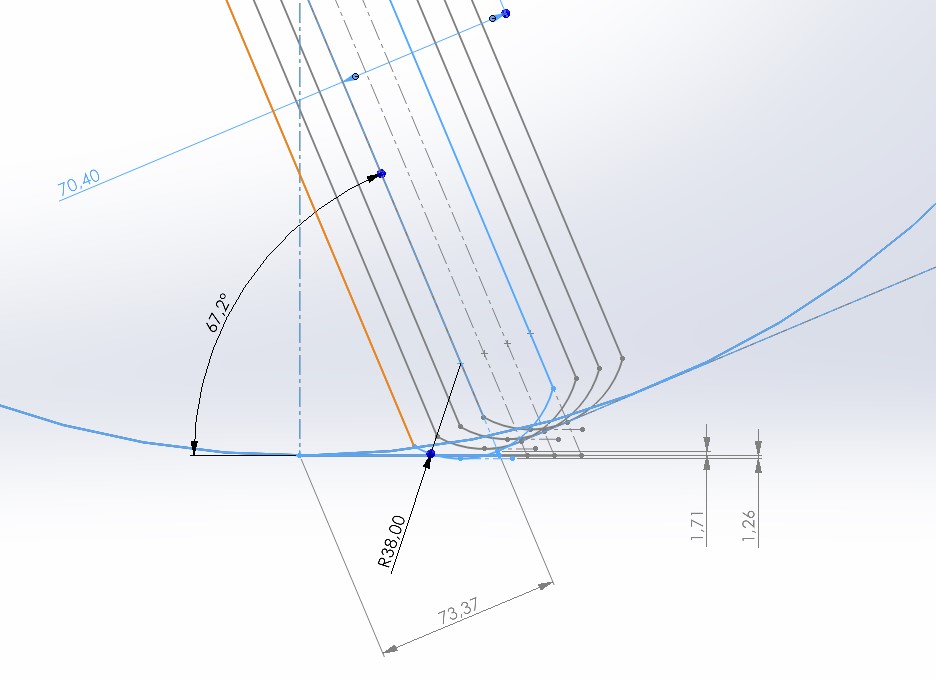
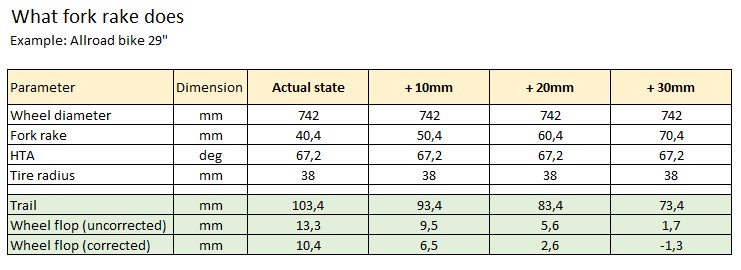
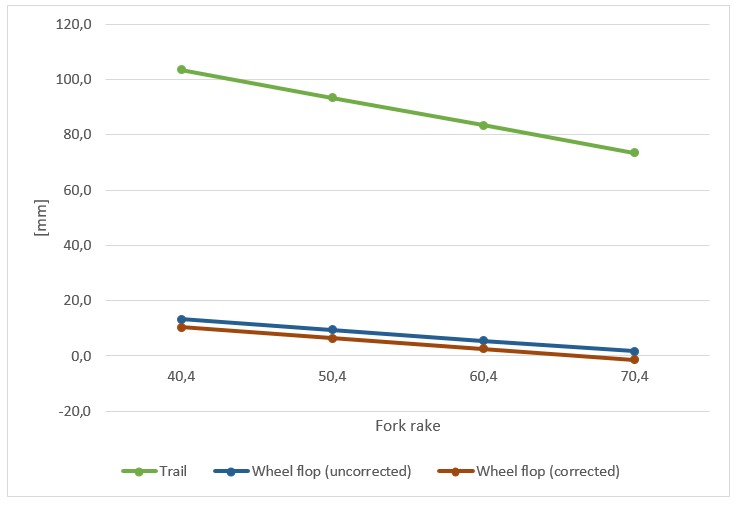
Things start to get clearer. With increased fork rake, obviously front wheel trail is reduced. The interesting thing: Wheel flop is reduced as well, and it literally hits the bottom at a certain (large) rake value. In this case, I found a negative flop value for 70.4mm rake (corrected for the big tire).
Unusual geometry? By today's standards, yes. But take a look at this beautiful vintage cruiser:
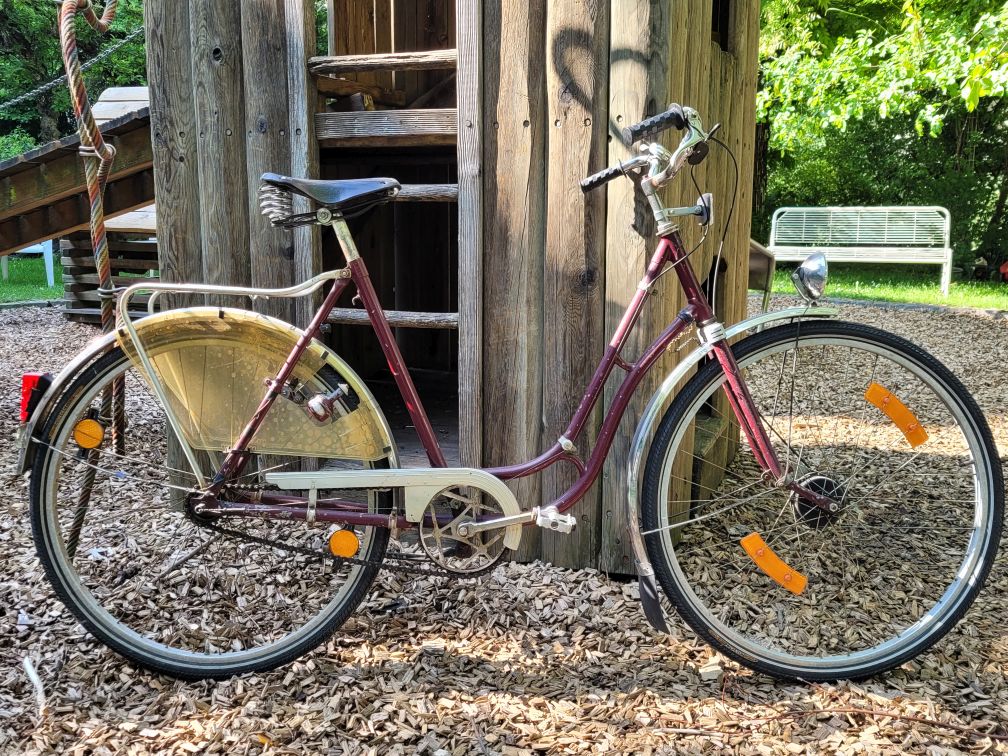
Sadly, I do not own this bike anymore. But measurements in the photo show a head tube angle of 66,7deg - quite progressive. Fork rake is in fact around 74mm.
Wheel flop? See here:
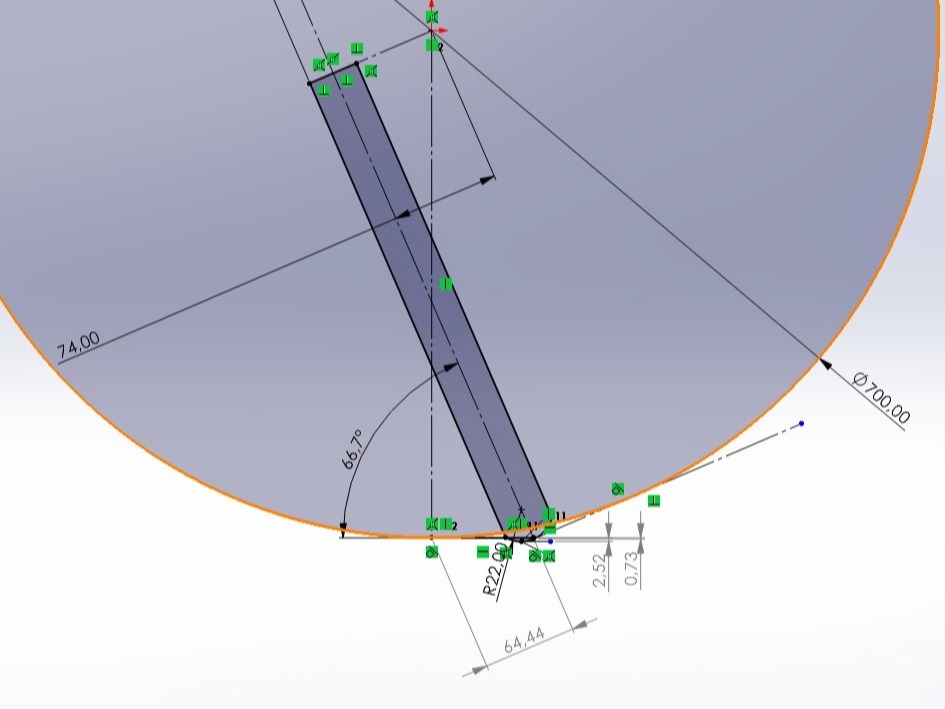
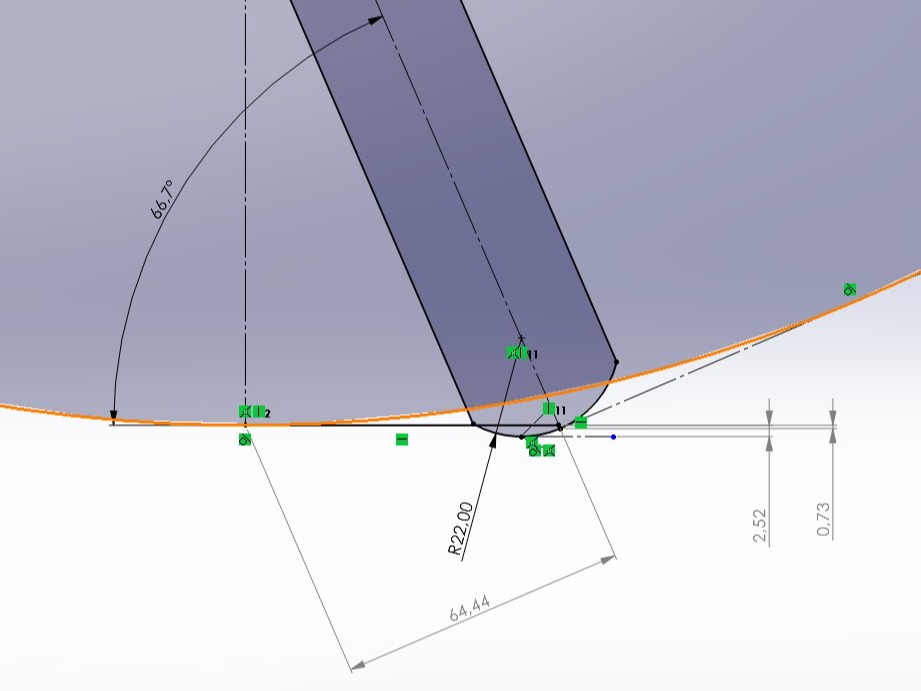
Now this is impressive. The uncorrected value is already negative at -0.7mm. With a 35mm tire, the front of this bike lifts 2.5mm when you turn the handlebar by 90deg.
And know what? Steering this bike feels super easy, intuitive, light-handed... the ideal bike to learn cycling. This rig rolls freehand where you want it to go, you can easily hold a straight line at almost standstill, or navigate the front wheel precisely where to want it to go.
All of this is achieved with a quite slack head tube angle, while maintaining a solid front wheel trail of 64.4mm.
So, next learning:
4. You can balance head tube angle and fork rake - old bikes teach us how.
On we go! Let us have a look at
Sensitivity on Head tube angle
in the works ;-)

No Code Website Builder